
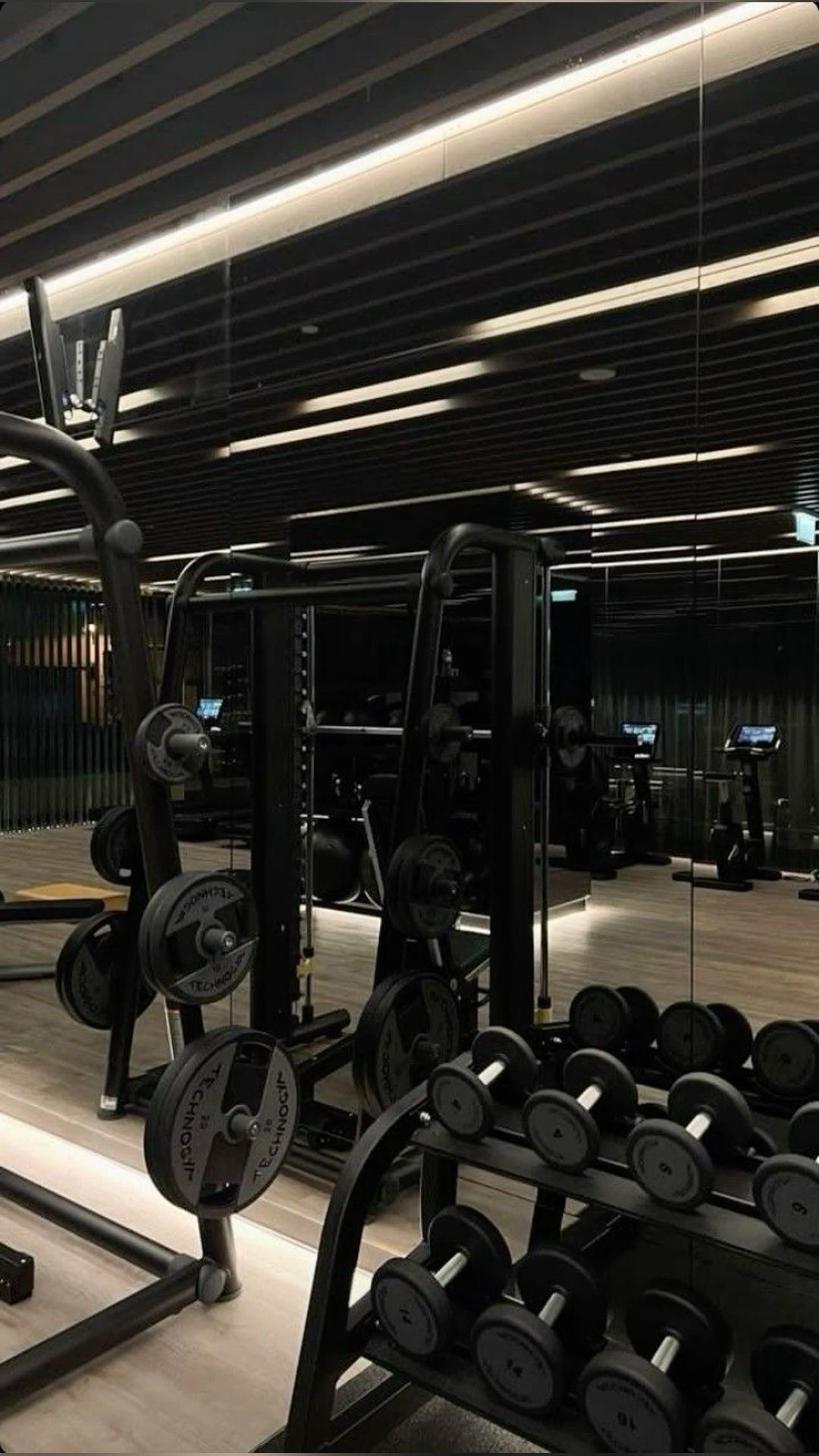
Use the gym to support your running, not to compete with every key run.
What strength work can contribute
Strength training gives runners a way to develop force production and track a different part of their physical capacity. It also adds another demand to the week. The aim is useful, repeatable work rather than finishing every gym visit with exhausted legs.
Start with movements you can learn and load consistently. A squat or split squat, hinge, calf exercise and some upper-body work can form a straightforward base. The exercise selection should reflect your experience and equipment, not a requirement to use a barbell.
What the research says about running economy
A 2024 review of 31 studies found that some strength-training methods can improve running economy. Certainty was moderate to low for the main outcomes, and improved economy is not a guarantee of a faster race result.
Source: Llanos-Lagos et al. (2024) — Strength training and running economyBuild a week you can stick to.
Bring your running and strength training together in a personalised plan built around your goals.
Build my training planFor iPhone. A paid membership is required for Pro features.Build a small, measurable session
Choose a lower-body movement, a hinge or single-leg movement, a calf exercise and an upper-body push or pull. Leave time for appropriate warm-up sets. Use loads that allow controlled repetitions rather than rushing to match someone else’s numbers.
Write down what you did. Once an exercise feels stable, compare performance across visits. Learning and consistency are more useful early signals than how sore the session makes you.
- Use a small exercise menu you can repeat.
- Keep the final repetitions technically controlled.
- Build familiarity before introducing demanding plyometrics.
- Reduce accessory work if it repeatedly disrupts your runs.
Place it around your key running
Protect the run that matters most that week. If heavy lower-body work consistently leaves you too sore for it, change the timing or reduce the lifting dose. An upper-body emphasis and a hard leg session do not create the same scheduling problem.
As a race approaches, keep gym work familiar. The final week is a poor time to discover a new exercise that causes unusual soreness.
Measure the right things
Look for steady gym performance, completed running sessions and a week you can recover from. A strength session does not need to increase your watch’s running score immediately to be useful.
If you are managing an injury, get individual advice on suitable movements and loading. A general running-and-lifting article cannot decide which exercise is right for a particular injury.
General training education and illustrative planning examples. Adapt to your experience and circumstances. Research findings do not guarantee results or validate the Enduro Fit app itself. Read our editorial approach.
Build a week you can stick to.
Bring your running and strength training together in a personalised plan built around your goals.
Build my training planFor iPhone. A paid membership is required for Pro features.